Common Summer Ailments in Exotic Pets in Lebanon, NJ

Common Summer Ailments in Exotic Pets in Lebanon, NJ
Summer in Lebanon, NJ brings longer days, warmer temperatures, and an array of outdoor activities. However, the shift in weather also presents unique challenges for exotic pet owners. Whether you share your home with a vibrant parrot, a curious reptile, or an energetic small mammal, it is important to recognize how the summer season can affect their health. At South Branch Veterinary Services, our team in South Lebanon, New Jersey is dedicated to helping exotic pet owners keep their companions thriving all year long. In this guide, you will learn about the most common summer ailments in birds, reptiles, and small mammals, how to spot early signs of trouble, effective prevention strategies, and when to seek veterinary care.
Caring for exotic pets during the hot and humid months requires a blend of attentive observation and expert guidance. We will also share practical advice tailored to the local climate so you can feel confident supporting your unique companion’s health. If you ever have questions or concerns about your exotic animal’s wellbeing, our veterinary professionals are here to provide compassionate, comprehensive care for every member of your household.
Recognizing Signs of Summer Illness in Exotic Pets
Exotic pets often hide signs of illness until problems become advanced, making early detection crucial. During summer, you may notice subtle changes that point to heat stress, dehydration, or other seasonal ailments. In birds, key symptoms include open-mouth breathing, holding the wings away from the body, fluffed feathers, lethargy, and a decrease in vocalization. Additionally, birds may show changes in droppings or a sudden lack of interest in food.
For reptiles such as turtles, snakes, and lizards, warning signs often involve excessive basking, seeking shade more than usual, loss of appetite, and unusual skin changes like dullness or shedding problems. Reptiles may also become less active or appear weak if they are too hot or dehydrated.
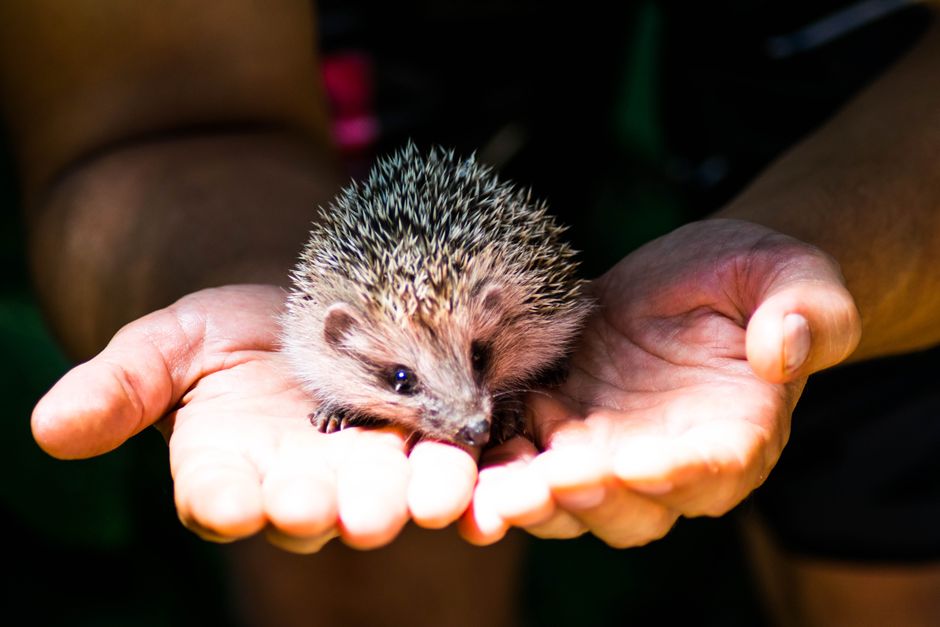
Small mammals like rabbits, guinea pigs, ferrets, and hamsters can be especially sensitive to heat. Symptoms of overheating include rapid, shallow breathing, drooling, red or warm ears, and weakness. You may also see changes in behavior such as restlessness or reluctance to move.
If you observe any of these changes, it is important to act quickly. Exotic pets can deteriorate rapidly, so monitoring their daily habits and knowing what is normal for your companion will help you catch problems before they become emergencies.
Why Do Exotic Pets Struggle in Summer? Understanding the Causes
The physiology and natural history of exotic pets make them particularly vulnerable to the challenges of summer in New Jersey. Birds, for example, are highly sensitive to rapid temperature swings and humidity. Many pet bird species originate from tropical regions and can tolerate heat, but sudden spikes or poor ventilation indoors may overwhelm their ability to cool down. Sun exposure through windows, lack of airflow, and confined spaces all add to their risk.
Reptiles depend on external temperatures to regulate their body heat. In the wild, they move between sun and shade as needed, but in captivity, tanks or enclosures can become dangerously hot if left near windows or without adequate ventilation. Overheating can lead to dehydration, organ damage, and even death for reptiles unable to escape excessive warmth.
Small mammals, especially rabbits and guinea pigs, have limited ability to sweat or pant effectively. Their compact bodies and dense fur make heat dissipation difficult. Factors such as poor air circulation, direct sunlight in their living area, and high humidity can quickly create an unsafe environment.
Local summer conditions in Lebanon, Clinton, and surrounding communities often include muggy weather and temperature spikes. These changes can be stressful for exotic pets, especially those not adapted to local climates. Understanding these risks can help you create a safer, more comfortable home for your companion.
Professional Treatment and Management: How Veterinary Care Can Help
If your exotic pet shows signs of summer-related illness, prompt veterinary attention is essential. At South Branch Veterinary Services, our veterinarians are experienced in diagnosing and treating a wide variety of exotic species. During your visit, we will begin with a thorough examination, review your companion’s history, and may recommend diagnostic tests such as bloodwork, imaging, or fecal analysis to identify underlying issues.
Treatment approaches depend on the specific condition and species. For birds experiencing heat stress, our team may provide supportive care that includes fluid therapy, cooling interventions, and monitoring for complications such as respiratory distress. In cases of dehydration, we might administer fluids orally or, if necessary, via injection. For birds with feather or skin problems related to humidity or parasites, specialized treatments and environmental adjustments will be discussed.
Reptiles with heat exhaustion or dehydration are treated with gradual cooling, fluid therapy, and careful monitoring of their metabolic status. Our veterinary team will also assess enclosure setup to recommend improvements in temperature control, humidity, and lighting. If a reptile presents with metabolic bone disease or skin infections that worsen in summer, targeted medical therapies will be initiated alongside environmental changes.
Small mammals suffering from heat stroke or dehydration may require cooling measures, intravenous or subcutaneous fluids, oxygen therapy, and in some cases, medications to stabilize their condition. Our veterinarians will educate you on how to monitor your animal’s recovery at home, as well as advise on modifications to their habitat to prevent recurrence.
For ongoing wellness, we encourage regular checkups tailored to the unique needs of exotic pets. These routine visits allow early detection of seasonal issues and provide a chance to discuss husbandry practices. To learn more about what a thorough wellness check includes, visit our page on wellness care services.
Prevention and Home Care: Keeping Exotic Pets Safe in Summer
Preventing summer ailments in exotic pets starts with a proactive approach to their environment and daily care. For birds, ensure their cage is placed away from direct sunlight and drafts. Maintain good air circulation, avoid placing cages near windows that receive intense afternoon sun, and offer regular misting or bathing opportunities to help them cool off. Clean water should always be available, and fresh fruits or vegetables can be provided for extra hydration, as appropriate for the species.
Reptile caregivers should monitor enclosure temperatures closely using reliable thermometers and hygrometers. Avoid placing tanks near windows or heat sources, and provide both warm basking spots and cooler hides so your reptile can self-regulate. Regularly check that humidity levels match your pet’s species requirements, as both dehydration and excessive humidity can create health problems.
For small mammals, house their enclosures in the coolest part of your home, away from direct sunlight or appliances that generate heat. Frozen water bottles wrapped in towels or ceramic cooling tiles can provide relief on very hot days. Always ensure access to clean water, and avoid transporting small mammals during the hottest part of the day. For all exotics, clean cages or tanks frequently to prevent the buildup of harmful bacteria or mold, which thrive in warm, humid conditions.
If your exotic companion has a history of allergies or skin problems that worsen with summer’s heat and humidity, our team can help with advanced diagnostics. Learn more about available veterinary allergy testing services for exotic pets.
When to Seek Veterinary Care for Your Exotic Pet
Knowing when to reach out for professional care is vital for the wellbeing of exotic animals. Immediate veterinary attention is needed if your bird exhibits open-mouth breathing, collapse, or seizures. Reptiles displaying severe lethargy, persistent loss of appetite, difficulty breathing, or abnormal skin lesions should also be seen promptly. For small mammals, signs such as unresponsiveness, rapid breathing, drooling, or inability to stand require urgent evaluation.
Additionally, if your exotic pet does not improve after initial home cooling measures, or if you are unsure about their symptoms, scheduling an appointment with our veterinary team is the safest course of action. Summer ailments can progress quickly, and early intervention greatly improves the chances of a full recovery.
If you find yourself facing an emergency outside of regular hours, make sure to review our emergency veterinary care information so you know what steps to take.
Supporting Your Exotic Pet’s Health All Summer Long
Caring for exotic pets during the summer in Lebanon, NJ calls for attentive observation, preventive strategies, and access to expert veterinary care. By recognizing early warning signs, understanding the unique risks posed by the season, and making thoughtful adjustments to your companion’s environment, you can help them stay healthy and comfortable. If you ever notice changes in behavior, appetite, or appearance, do not hesitate to contact our veterinary professionals for guidance.
Our team at South Branch Veterinary Services is committed to providing skilled, compassionate care for exotic animals in Lebanon and surrounding communities. To schedule an appointment, call (908) 923-7833 or visit our South Lebanon location. When searching for a veterinarian near me who understands the needs of exotic pets, trust in our experience and dedication. We look forward to partnering with you to ensure your unique companions enjoy a safe, vibrant summer season.
This blog is intended for educational purposes only and does not replace professional veterinary advice. Always consult with a qualified veterinarian regarding the health and care of your exotic pet.