Summer Safety Checklist for Exotic Pets in Lebanon, NJ

Summer Safety Checklist for Exotic Pets in Lebanon, NJ
As the days grow warmer in Lebanon, NJ, many owners of birds, reptiles, and small mammals begin to wonder how best to protect their unique companions from the heat and humidity of summer. At South Branch Veterinary Services, we know that exotic pets have specialized needs that can be quite different from those of dogs and cats. Your bird may be sensitive to temperature swings, your reptile could be at risk of overheating or dehydration, and your small mammal—such as a rabbit, ferret, guinea pig, or chinchilla—may face seasonal hazards that are easy to overlook. In this guide, our veterinary team will walk you through essential summer safety tips designed specifically for exotic species. From spotting early signs of heat stress to setting up the perfect habitat, you will find practical solutions to help your animals thrive all summer long. If you ever have concerns about your exotic companion’s health, our state-of-the-art animal hospital at 1127 Route 31 South, Lebanon, NJ 08833 is here to support you with expert care.
Recognizing Summer Risks: Signs of Trouble in Exotic Pets
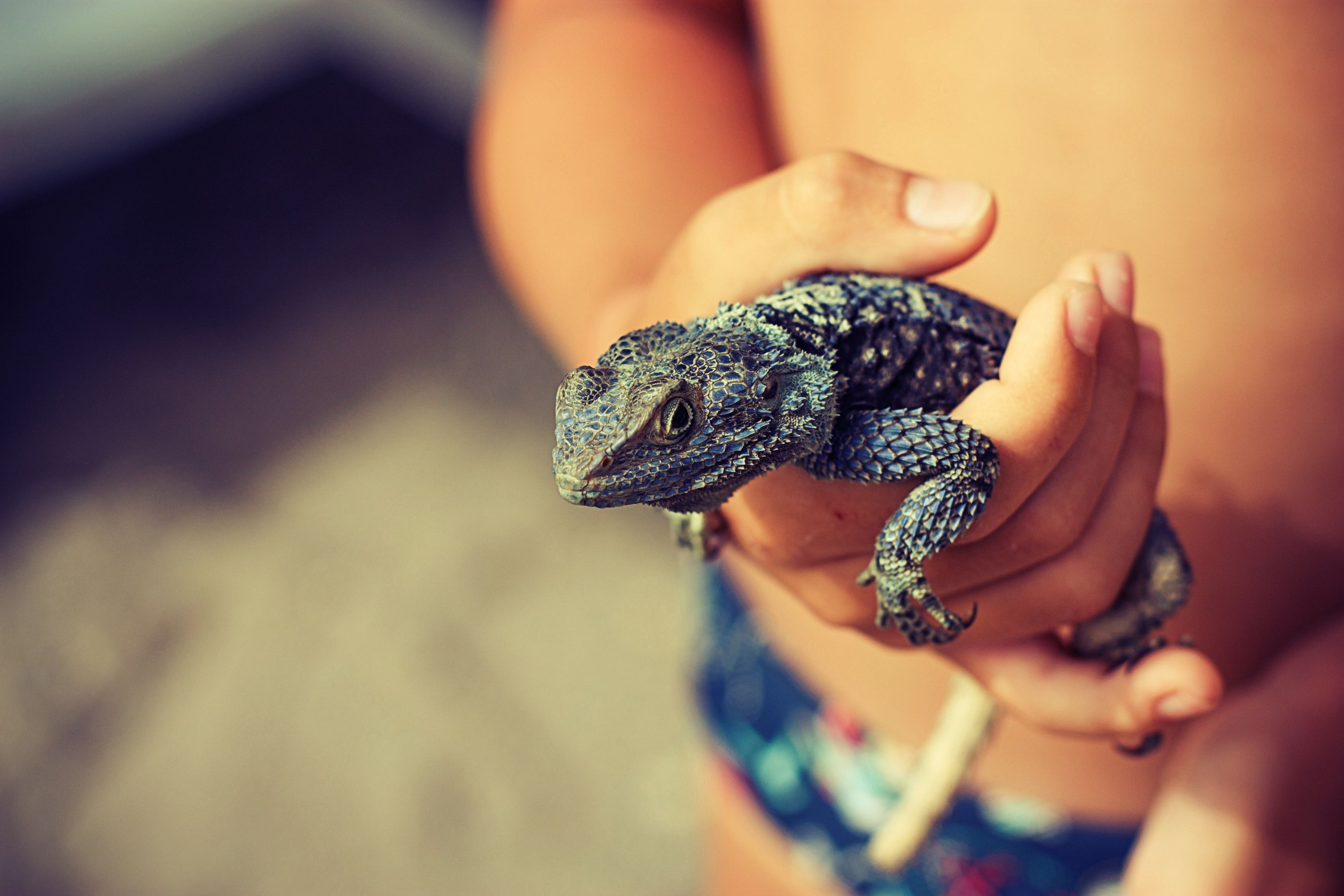
The first step in summer safety is learning to recognize when your exotic pet might be struggling with the heat or other seasonal challenges. Birds often show signs of distress when panting, holding their wings away from their body, or appearing lethargic. Reptiles, such as bearded dragons or snakes, may become less active, seek cooler corners, or display open-mouth breathing if temperatures are too high. Small mammals like rabbits or guinea pigs are particularly prone to heat stress; symptoms include rapid breathing, drooling, weakness, and sometimes even unresponsiveness. It is important to remember that exotic species tend to mask illness until problems are advanced, so subtle changes in behavior, appetite, or appearance should always be taken seriously.
In addition to heat concerns, summer can bring other risks. Birds and small mammals may develop respiratory issues from increased humidity, while reptiles can suffer from dehydration if water sources evaporate too quickly. Flies, mosquitoes, and other insects are more active, increasing the risk of bites or parasitic infections, especially if pets spend time outdoors or near open windows.
Why Do Exotic Pets Struggle in Summer? Understanding Their Unique Needs
Exotic pets are often more susceptible to temperature extremes than traditional household animals. Many species originate from climates that are quite different from New Jersey’s hot, humid summers. For example, certain parrots and small mammals thrive in moderate temperatures and can quickly become overheated in poorly ventilated rooms. Reptiles rely on their environment to regulate body temperature, so improper heating or cooling in their enclosures can lead to dangerous spikes or drops.
Humidity plays a major role as well. High humidity can make it difficult for birds and small mammals to cool themselves naturally, and it may contribute to respiratory infections or fungal growth in the habitat. For reptiles, low humidity can cause shedding problems and dehydration, while excess moisture may lead to skin and scale issues.
Another often-overlooked factor is sunlight exposure. While some exotic pets benefit from access to natural sunlight, too much direct sun—especially through glass or plastic—can rapidly raise enclosure temperatures to dangerous levels. At the same time, open windows can introduce drafts, pollen, or outdoor pests that threaten your pet’s health.
Professional Treatment and Veterinary Support for Summer Hazards
If your exotic pet shows any signs of heat stress, dehydration, or other summer-related illness, prompt veterinary attention is critical. Our veterinary team at South Branch Veterinary Services is equipped to handle a wide range of emergencies and health concerns in birds, reptiles, and small mammals. Treatment for heatstroke in exotics often involves gradual cooling, fluid therapy, and supportive care tailored to the specific species. Birds and small mammals with respiratory distress may require oxygen support, medications, or hospitalization for intensive monitoring.
For ongoing wellness, we recommend regular checkups to catch subtle health shifts that can occur with changing seasons. Preventive care is especially important for exotic pets, as early intervention can make a significant difference in recovery. Our comprehensive wellness care and preventive services for pets include species-specific exams, nutritional counseling, and environmental assessments to ensure your companion’s habitat is optimized for summer conditions.
Prevention and Home Care: Keeping Exotic Pets Safe in Summer
Protecting your exotic pet from summer hazards starts with thoughtful habitat management and attentive daily care. For birds, ensure their cage is placed away from direct sunlight and drafts, and provide fresh water at all times. Avoid using fans that blow directly on them, as this can lead to chilling or respiratory issues. Misting the feathers lightly (for species that enjoy it) can help with cooling, but always check species-specific recommendations.
Reptiles need carefully regulated enclosures with temperature gradients that allow them to choose their preferred level of warmth. Monitor basking spots to prevent overheating, and check humidity levels using a reliable hygrometer. Offer shallow water dishes for soaking, and replenish water frequently, especially during heatwaves.
Small mammals such as rabbits, ferrets, and chinchillas benefit from cool, shaded enclosures. Frozen water bottles wrapped in towels can be placed in their habitats to provide a cool spot. Make sure bedding remains dry and free from mold, as summer humidity can encourage unwanted microbial growth. Never leave any exotic pet in a car or unventilated space, even for a few minutes.
Keep all pets protected from pests by installing fine mesh screens on windows and doors. Be cautious when using insect repellents or cleaning agents, as many products are toxic to exotic species. If your animal enjoys supervised outdoor time, do so only during the cooler parts of the day and always in a secure, escape-proof area.
When to Seek Veterinary Care for Your Exotic Companion
Timely intervention is essential when exotic pets become ill during the summer. Contact your veterinarian immediately if you notice signs such as persistent panting, difficulty breathing, loss of balance, unresponsiveness, or any sudden change in eating, drinking, or behavior. Birds that fluff up and remain still, reptiles that stop moving, or small mammals lying flat and unresponsive all require urgent attention.
If you are ever unsure whether a symptom is serious, it is always safer to err on the side of caution. Reach out to our veterinary team at South Branch Veterinary Services for guidance specific to your species. In many cases, a quick phone call or visit can prevent a minor issue from becoming a major emergency. For more information about our emergency veterinary care services, please visit our website or call our clinic directly.
Summer Safety for Every Exotic Pet: Practical Tips for Lebanon, NJ Owners
Ensuring your exotic pet’s wellbeing during New Jersey’s hot, humid summer months requires vigilance, preparation, and a willingness to adjust routines as conditions change. Monitor your animal’s environment daily, keep habitats clean and well-ventilated, and provide fresh water and appropriate cooling strategies for the species in your care. Remember that exotic pets are experts at hiding illness, so trust your instincts if something seems off.
If you need advice on setting up a safe habitat, have questions about your animal’s diet, or notice any signs of heat stress or illness, our veterinarians at South Branch Veterinary Services are here to help. We proudly serve Lebanon, NJ and surrounding communities with compassionate, expert care for birds, reptiles, and small mammals. To schedule an appointment or discuss your exotic pet’s needs, call us at (908) 923-7833 or visit our wellness care and preventive services for pets page.
When searching for a veterinarian near me who truly understands the special requirements of exotic animals, you can count on our team to provide the support and guidance you need. Let us partner with you in keeping your unique companion healthy and happy throughout the summer and beyond.
This blog is intended for informational purposes only and is not a substitute for professional veterinary advice. Always consult with your veterinarian for specific recommendations regarding your exotic pet’s health and care needs.