June Dental Care Tips for Exotic Pets in Lebanon, NJ

June Dental Care Tips for Exotic Pets in Lebanon, NJ
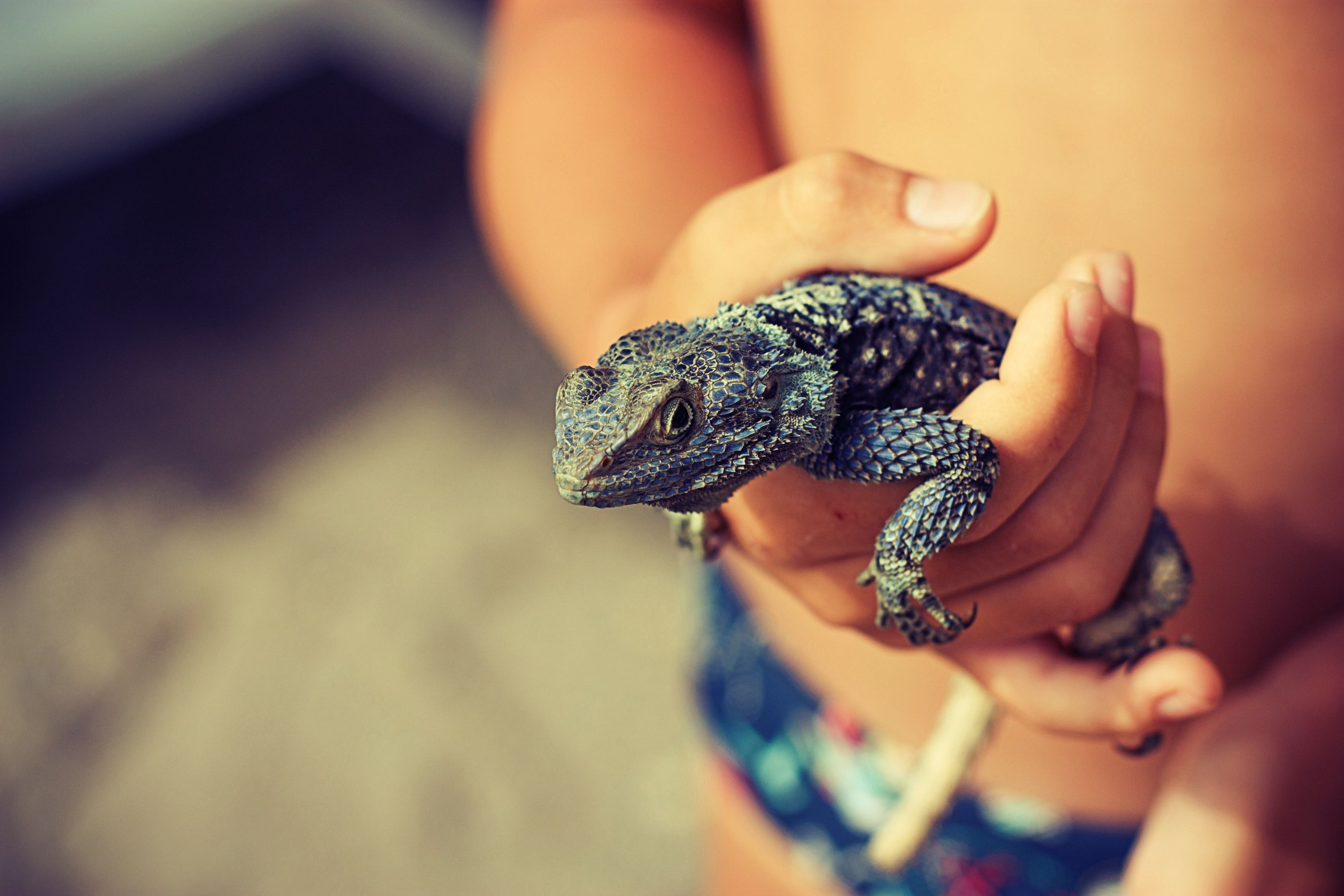
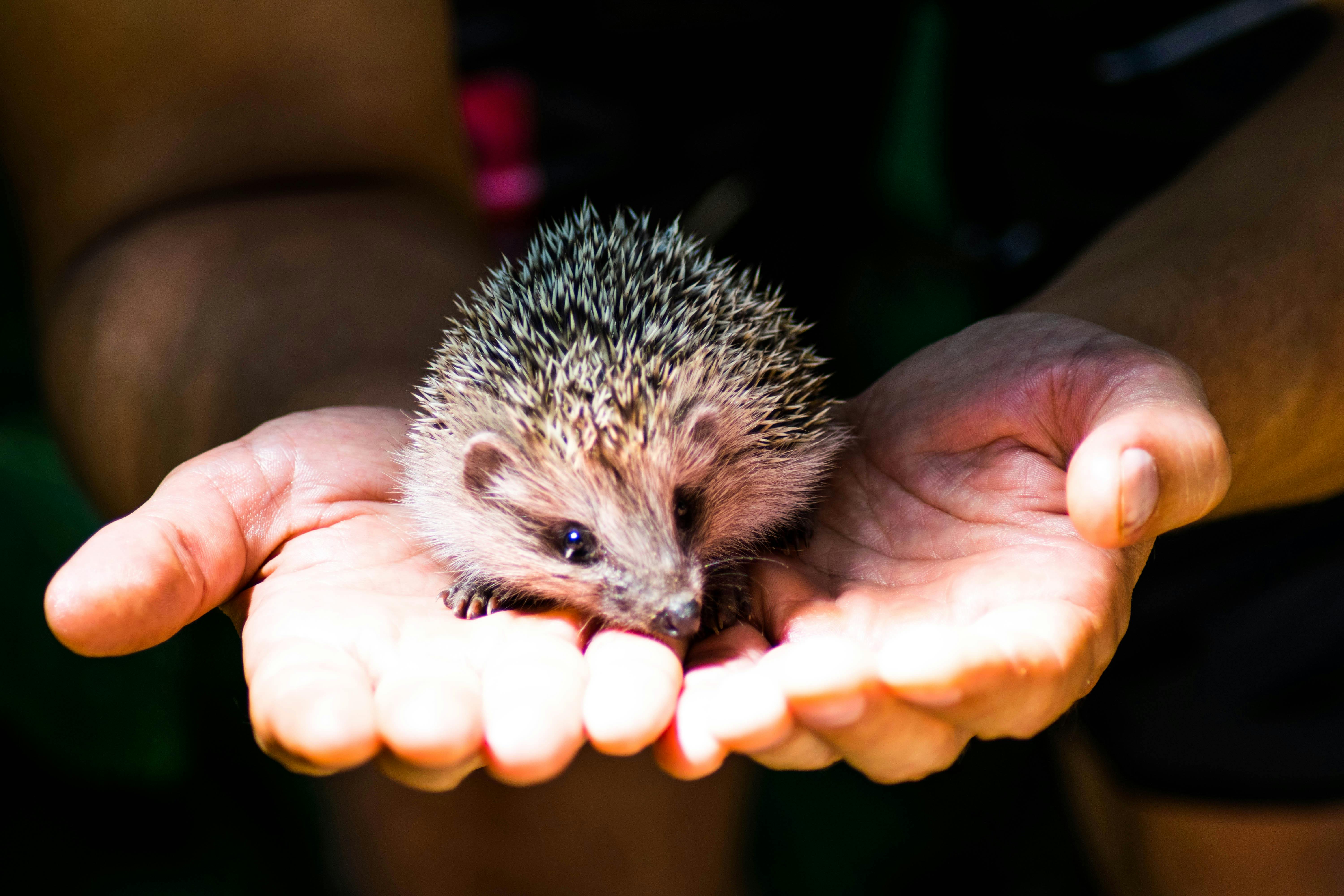
Keeping your exotic pet healthy goes far beyond a balanced diet and clean habitat; dental care plays a crucial role in the wellbeing of birds, reptiles, and small mammals, especially as summer arrives in Lebanon, NJ. At South Branch Veterinary Services, we understand that each exotic species has its own unique dental anatomy and needs, which can make recognizing problems more challenging for owners. June's warm, humid weather often leads to subtle changes in behavior or appetite for many exotic animals, sometimes signaling the start of dental issues. In this blog, our team of veterinarians will guide you through key signs of dental problems in exotic pets, discuss preventative tips for the summer months, and explain how comprehensive veterinary care at our South Lebanon location can keep your unique companions thriving. Whether you share your home with a parrot, rabbit, guinea pig, snake, or another exotic friend, these June dental care tips are designed with your pet's comfort and health in mind.
Recognizing Dental Issues in Exotic Animals
It can be difficult to spot dental problems in exotic species, as signs are often subtle and may resemble other health concerns. Birds, reptiles, and small mammals like rabbits and guinea pigs rarely show obvious pain, so it is up to you to watch for early indicators. Common warning signs of dental disease in exotic pets include reduced appetite or selective eating, drooling or moisture around the mouth, visible changes in beak or tooth alignment, swelling near the jaw or face, difficulty chewing or swallowing, and changes in behavior such as hiding or reduced vocalization. For small mammals, other symptoms can include weight loss, dropping food, or producing fewer or smaller droppings. Birds may show overgrown beaks or abnormal wear, while reptiles could refuse prey or develop swollen gums. If you notice any of these symptoms, it is important to reach out to your veterinary team promptly, as dental disease can progress quickly and impact your pet's overall health.
Why Dental Disease Develops in Exotic Pets
Understanding the root causes of dental problems in exotic animals helps prevent and manage these issues more effectively. For small mammals like rabbits, guinea pigs, and chinchillas, teeth grow continuously throughout life, so a diet lacking in fibrous foods—such as hay—can lead to overgrowth, malocclusion, or sharp points that injure the mouth. Birds depend on natural chewing and proper nutrition to maintain beak health; a lack of suitable toys or an unbalanced diet can cause beak overgrowth or misalignment. In reptiles, improper humidity, nutritional imbalances (especially calcium and vitamin D deficiencies), and trauma can all contribute to dental and oral health problems. Warm, humid conditions typical of June in Lebanon, NJ, may also encourage bacterial or fungal growth, increasing the risk of infections that complicate dental health. Recognizing these risk factors and adjusting care routines accordingly can help protect your exotic pet during the summer months.
Professional Dental Care for Exotic Species
At South Branch Veterinary Services, our veterinary professionals are experienced in providing specialized dental care for a wide variety of exotic pets. During a wellness examination, we carefully assess oral health, tooth or beak alignment, and any signs of discomfort or disease. Advanced diagnostics such as dental radiography allow us to evaluate tooth roots and jawbones, which is especially helpful for small mammals with hidden abscesses or birds with beak deformities. Treatment options depend on the species and specific issue; they may involve trimming or filing overgrown teeth or beaks, addressing abscesses or infections with appropriate medications, or performing extractions if a tooth is severely damaged. Our dentistry and oral surgery services are tailored to each exotic species, ensuring safe anesthesia and post-procedure care. We prioritize gentle handling and stress reduction for all our exotic patients throughout the dental care process.
At-Home Dental Care and Prevention During Summer
While professional dental care is essential, much of your exotic pet's oral health depends on daily routines at home, especially as temperatures and humidity rise in June. For small mammals, providing unlimited access to high-quality hay and appropriate chew toys encourages natural tooth wear and helps prevent overgrowth. Monitor for any changes in eating habits, droppings, or jaw movement, as these can signal early dental issues. Birds benefit from a variety of safe, bird-specific toys and perches that promote healthy beak maintenance, along with a balanced, species-appropriate diet. Regularly check for even beak wear and avoid offering foods that are too hard or too soft, as both can affect beak shape. For reptiles, maintaining correct humidity and temperature, offering proper UVB lighting, and providing a nutritionally complete diet all contribute to healthy gums and jawbones. Clean habitats frequently to reduce the risk of bacterial and fungal infections, which can be more common in the summer. Keep a log of your pet’s eating, grooming, and activity patterns; sharing this information with your veterinary team can help detect subtle changes before they become serious concerns.
When to Schedule a Veterinary Dental Exam
It is always better to address dental problems early, before they lead to pain, infection, or other health complications. Schedule a veterinary dental evaluation if you notice any symptoms described earlier, if your exotic pet is due for a routine checkup, or if your animal has a history of dental disease. Even if your pet seems healthy, an annual wellness examination is the best way to catch hidden oral health issues, especially in exotic species where problems may not be obvious to the untrained eye. Our wellness care visits at South Branch Veterinary Services include a thorough oral assessment as part of comprehensive preventive care. If a dental procedure is necessary, rest assured that our veterinary team uses advanced anesthesia and monitoring specifically designed for exotic animals. In emergencies—such as sudden swelling, severe bleeding, or inability to eat—contact us right away for immediate guidance. Always consult your veterinarian before attempting any dental treatments at home, as improper handling can cause injury or stress to your exotic pet.
Supporting Your Exotic Pet’s Health All Summer Long
Dental health is a vital part of your exotic companion’s overall wellbeing, particularly during the warm, humid summer months in Lebanon, NJ. By staying vigilant for early signs of dental issues, maintaining species-appropriate diets and enrichment, and scheduling regular veterinary evaluations, you can help your bird, reptile, or small mammal enjoy a comfortable, healthy life. If you are searching for a veterinarian near me with experience in exotic animal dental care, our team at South Branch Veterinary Services is here to support you and your unique companions every step of the way. To schedule an appointment or learn more about our dental care services, call (908) 923-7833 or visit our hospital at 1127 Route 31 South, Lebanon, NJ 08833. You can also read about our professional dental cleanings for more information on how we help exotic animals maintain excellent oral health. We look forward to partnering with you to keep your exotic pet’s smile bright and healthy all summer and beyond.
This blog is intended for informational purposes only and should not be used as a substitute for professional veterinary care. Always consult with your veterinarian regarding any concerns about your exotic pet’s health or behavior.