
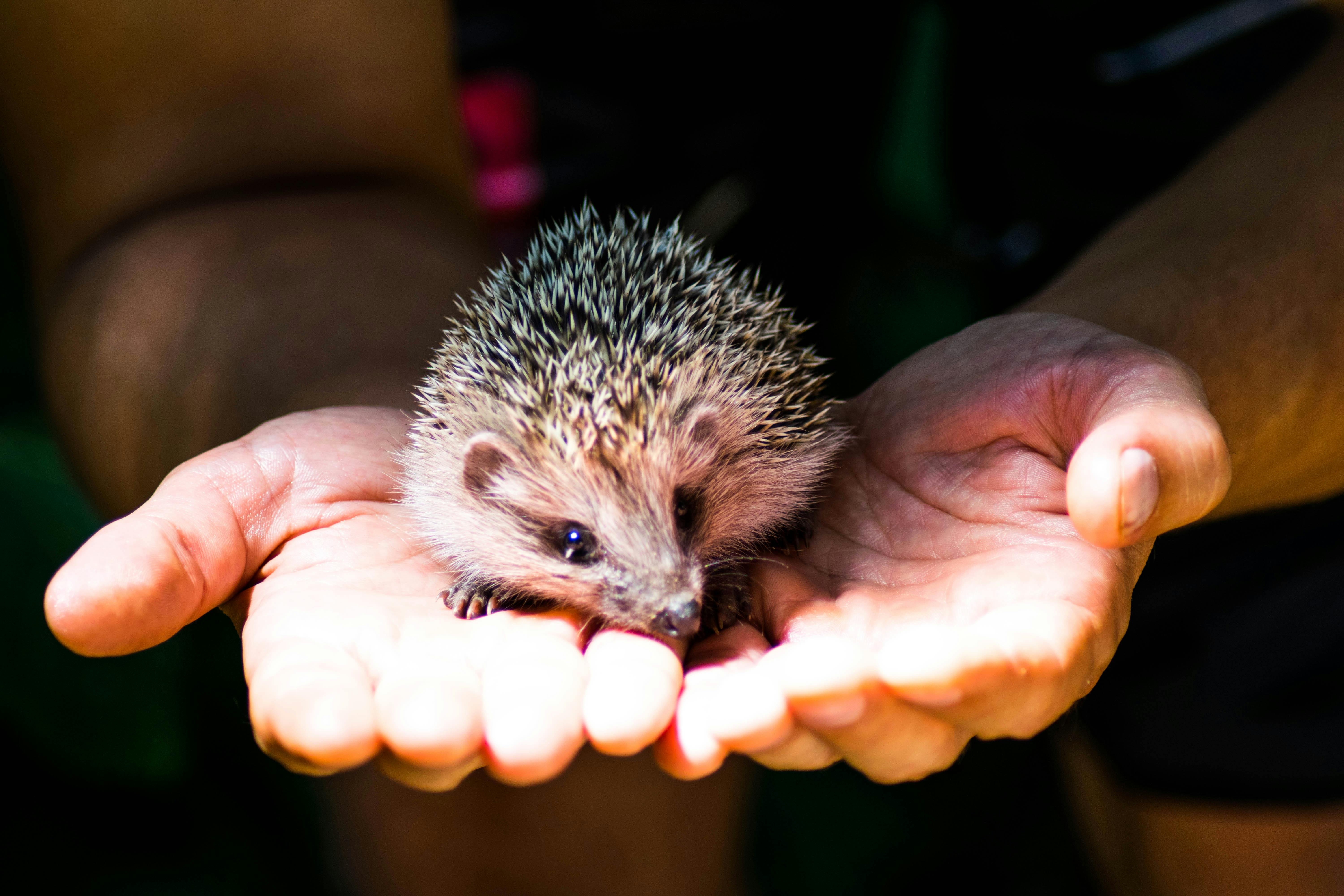
Traveling With Exotic Pets: Safety Tips for Spring Breaks
Planning a spring break getaway with your exotic pet can be both exciting and a little daunting. Whether you share your home with a vibrant parrot, a curious bearded dragon, or a gentle guinea pig, travel introduces unique challenges that require careful planning to keep your companion healthy and comfortable. At South Branch Veterinary Services, located in 1127 Route 31 South, Lebanon, NJ 08833, our veterinary team is dedicated to supporting exotic animal health before, during, and after your travels. In this guide, we’ll explore how to prepare your exotic pet for spring trips, address common travel risks, and outline steps you can take to ensure your animal’s safety and well-being every step of the way. You’ll also discover when it’s time to seek veterinary support and how our wellness care for exotic species can help you plan ahead for a safe, enjoyable adventure.
Whether you’re headed to the Jersey Shore, visiting relatives, or embarking on a longer road trip, understanding the needs of exotic animals on the move is essential. Let’s break down what you need to know for a smooth journey with your unique travel companion.
Recognizing When Your Exotic Pet Needs Special Attention During Travel
Not all exotic animals are equally suited for travel; some adapt with minimal stress, while others may experience significant anxiety or even health risks. Recognizing the signs that your bird, reptile, or small mammal is struggling is crucial for their safety. Common symptoms of travel-related stress in exotic animals include changes in appetite, lethargy, increased hiding or aggression, and abnormal vocalizations or behaviors. For example, birds may start feather plucking or vocalizing more than usual, while small mammals like rabbits and guinea pigs may become quiet, hide excessively, or refuse to eat. Reptiles may display signs such as gaping, color changes, or a lack of movement.
Additionally, keep an eye out for physical symptoms that suggest your exotic pet is not tolerating travel well. These can include rapid breathing, drooling, diarrhea, unusual postures, or signs of respiratory distress. If your animal exhibits any of these behaviors, it’s important to pause and assess whether continuing your journey is in their best interest. Many exotic species are highly sensitive to changes in their environment, and even short trips can be taxing if not managed thoughtfully.
Why Travel Can Be Challenging for Exotic Pets
Traveling with exotic animals presents a unique set of challenges due to their specialized needs and sensitivities. Unlike dogs or cats, many exotic pets are not accustomed to leaving their familiar enclosures, and sudden changes to their surroundings can create stress that impacts both their physical and emotional well-being. Key factors that make travel difficult for exotic pets include temperature fluctuations, vibration and motion, exposure to unfamiliar sights and sounds, and disruptions to their daily routine.
For birds, changes in altitude or air pressure during flights, as well as drafts in vehicles, can provoke respiratory issues. Small mammals may become dehydrated quickly or be prone to overheating, especially if confined to carriers in warm vehicles or exposed to direct sunlight. Reptiles are particularly susceptible to temperature swings, since they rely on their environment to regulate body heat; improper heating during travel can lead to severe health issues, including metabolic problems or immune suppression.
Additionally, exotic pets often require precise diets, specialized enclosures, and regular access to water or humidity. Travel can interrupt these routines, making it difficult to provide the level of care they receive at home. The risk of escape is also higher for some species, given their agility or tendency to squeeze through small openings when frightened.
Preparing Your Exotic Pet for Safe and Comfortable Travel
Ensuring a safe trip for your exotic animal starts well before departure day. Preparation involves acclimating your companion to their travel carrier or enclosure, gathering necessary supplies, and anticipating potential risks you might encounter on the road or in new environments. Begin by allowing your animal to explore their travel carrier in a calm, secure area at home several days before your trip. For birds, place familiar perches and toys inside the carrier; for reptiles, include a hide and substrate that matches their regular enclosure. Small mammals benefit from nesting material and a quiet, dark space to retreat to during stressful moments.
When packing, remember to bring a supply of your animal’s usual food, bottled water from home, and any supplements or medications they require. Portable heating or cooling packs may be necessary for reptiles, while water bottles that attach to carriers are ideal for small mammals. For birds, cover the carrier with a light cloth to reduce visual stimuli but ensure adequate ventilation.
It is essential to check the regulations and requirements for traveling with exotic pets. Many destinations, hotels, and airlines have specific rules, and some require a health certificate issued by a licensed veterinarian. Our health certificate services can help ensure your animal meets all necessary travel documentation and health standards, reducing the risk of last-minute stress.
Managing Stress and Protecting Health During the Trip
Your exotic animal’s health and comfort during travel depend on minimizing environmental stressors and monitoring their condition closely. Keep your animal’s carrier in a stable, secure location within your vehicle, away from direct sunlight, drafts, or areas with rapid temperature changes. For reptiles, use a portable thermometer to ensure the enclosure stays within the optimal temperature range for their species. For small mammals, check bedding for dampness or soiling, as this can occur more quickly during trips due to anxiety or altered routines.
Offer food and water at regular intervals, mimicking the animal’s home routine as closely as possible. Watch for signs of dehydration, such as sunken eyes or thick saliva, especially in rabbits and guinea pigs. Birds should have access to water dishes that will not spill easily during transit. Remember that some exotic species, particularly reptiles, may not eat while traveling due to stress; this is normal for short periods, but consult your veterinarian if fasting continues after you arrive at your destination.
If your animal needs medication, adhere strictly to dosing schedules and bring written instructions in case of an emergency. It’s also wise to research veterinary clinics along your route or at your destination that have experience treating exotic animals, in case urgent care is needed.
Preventive Steps for a Smooth and Healthy Travel Experience
Taking preventive steps before and during your journey is the best way to reduce risks for your exotic animal. Scheduling a wellness examination for exotic species at South Branch Veterinary Services prior to travel allows our veterinary team to assess your animal’s health, discuss travel concerns, and provide tailored advice. During this visit, we can also review your animal’s diet, enclosure setup, and transport plan to identify potential issues before they arise.
At home, practice short “test drives” with your animal in their carrier to help them acclimate to movement and unfamiliar sounds. Adjust their environment to reduce stress, such as playing soothing background noise, using pheromone sprays for small mammals, or providing additional hiding spots. Be mindful of the weather; spring in Lebanon, NJ, can bring unpredictable temperature swings, so plan accordingly.
Upon arrival at your destination, set up your animal’s enclosure immediately in a quiet, secure area. Allow your pet time to settle before handling, and monitor for signs of illness or distress. Maintain their regular feeding schedule and minimize changes to their diet or environment as much as possible.
When to Seek Veterinary Care for Your Exotic Animal
Despite your best efforts, sometimes exotic animals require professional intervention during or after travel. Seek immediate veterinary care if you notice signs such as persistent lethargy, refusal to eat or drink for more than 24 hours, difficulty breathing, abnormal droppings or urine, or any evidence of injury. Birds that are fluffed up, sitting on the bottom of the cage, or exhibiting labored breathing need urgent evaluation. Small mammals with diarrhea, dehydration, or severe hiding behaviors may also require prompt attention. Reptiles displaying gaping, severe color changes, or prolonged inactivity should be assessed as soon as possible.
If you are traveling and experience a health emergency with your exotic animal, contact a veterinarian familiar with exotic species immediately. Our emergency veterinary care team is available to provide guidance and support, both before and after your trip, to help ensure the best possible outcome for your companion.
Supporting Exotic Animal Owners in Lebanon, NJ and Surrounding Communities
Traveling with exotic pets during spring break can be a rewarding experience with the right preparation and support. By recognizing early signs of stress, understanding the challenges unique to exotic species, and taking preventive steps, you can help your animal companion enjoy a safe journey. Remember, scheduling a pre-travel wellness visit at South Branch Veterinary Services is one of the most important actions you can take to safeguard your animal’s health.
If you have questions about traveling with your exotic pet or would like to schedule a wellness examination or obtain travel documentation, our veterinary team is here to help. Reach out to us at (908) 923-7833 or visit our hospital at 1127 Route 31 South, Lebanon, NJ 08833 to learn more about how we support the health of exotic animals in Lebanon and the surrounding areas. When searching for a veterinarian near me who truly understands the unique needs of exotic pets, trust South Branch Veterinary Services for expert care and peace of mind this spring break and beyond.
For additional information about preparing for travel, wellness exams, or what to do in an emergency, explore our resources on health certificates for exotic pets, emergency veterinary care, and wellness care for exotic animals. Safe travels to you and your extraordinary companion!
Worried about something you read?
If any of this sounds like your pet, we're here to help.