
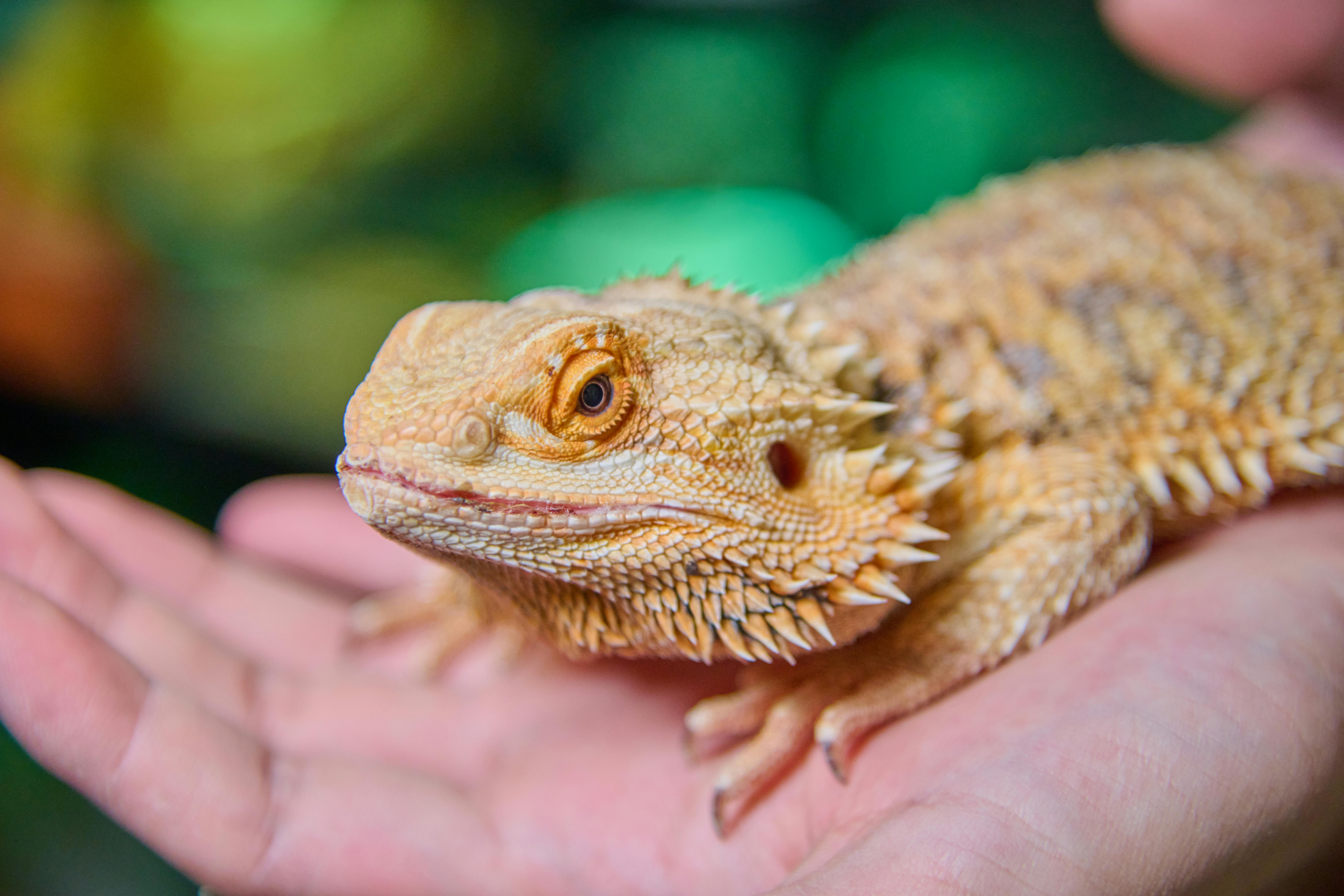
Humidity and Temperature Tips for Exotic Pets in May
Spring brings welcome warmth to South Lebanon, NJ, but for owners of exotic pets, the changing weather can also raise concerns. As temperatures climb and humidity levels start to shift, it becomes increasingly important to ensure that birds, reptiles, and small mammals are comfortable and safe in their habitats. At South Branch Veterinary Services, we understand that exotic species have unique needs—what feels pleasant to us might be stressful or even dangerous for your feathered or scaled companions. In this blog, we will guide you through expert advice on managing humidity and temperature for exotic pets during the spring, discuss signs of environmental stress, and offer practical solutions to keep your animal thriving. Whether you are new to exotic pet care or have years of experience, you will find valuable information to help your animal adjust to May’s changing climate. If you ever have questions about routine care or need guidance on seasonal adjustments, our veterinary team at 1127 Route 31 South, Lebanon, NJ 08833 is here to support you.
Recognizing Signs of Discomfort in Exotic Pets as Weather Changes
Exotic animals are highly sensitive to environmental changes, and even small shifts in temperature or humidity can impact their health. For birds, symptoms of discomfort may include ruffled feathers, open-mouth breathing, excessive panting, or lethargy. Reptiles often display signs such as hiding more than usual, changes in skin color, decreased appetite, or unusual shedding patterns when their environment becomes too warm or too dry. Small mammals like guinea pigs, rabbits, and ferrets might show signs of heat stress through rapid breathing, drooling, lethargy, or a reluctance to move.
It is important for owners to monitor their animal daily for these subtle changes. Changes in behavior, eating habits, or physical appearance can indicate that your animal is struggling to adapt to the seasonal shift. Early detection allows you to make quick adjustments before minor discomfort becomes a health emergency. If you ever notice sudden or severe symptoms—such as collapse, unresponsiveness, or labored breathing—immediate veterinary attention is critical.
Why Humidity and Temperature Matter for Exotic Pets
Understanding the habitat needs of your exotic animal is essential because each species has evolved to thrive within a specific climate range. Birds such as parrots and cockatiels, for example, are native to warm, humid environments. In contrast, some reptiles come from arid deserts while others originate from tropical rainforests. Small mammals may not tolerate high humidity well and are especially prone to overheating.
In May, New Jersey’s weather can be unpredictable. Cool mornings may give way to hot, humid afternoons, and indoor environments can fluctuate just as much. As a result, the conditions inside your animal’s enclosure may not always match the recommended parameters. Improper humidity can cause problems such as respiratory infections in birds, poor shedding and dehydration in reptiles, and skin issues for small mammals. Overheating or chilling can similarly lead to stress, immune suppression, or even life-threatening complications.
Managing Humidity and Temperature: Professional Guidance and At-Home Tips
When you schedule a wellness check or annual examination for your exotic animal, our veterinarians will discuss your animal’s ideal temperature and humidity range based on species, age, and health status. During these visits, we often review enclosure setups and offer advice on adjusting equipment for seasonal changes.
Home management begins with reliable thermometers and hygrometers placed inside your animal’s enclosure. For birds, maintaining a consistent temperature between 65 and 80 degrees Fahrenheit is usually recommended, though this can vary. Humidity should generally remain between 40% and 60%. Reptiles require species-specific ranges; for example, a bearded dragon’s basking area may need to be 95 to 110 degrees, while a green tree python prefers higher humidity and moderate warmth. Small mammals typically thrive in cooler, drier environments, and excessive humidity can lead to respiratory troubles.
Practical steps to maintain optimal conditions include adjusting heating elements or lamps as outdoor temperatures rise, using air conditioning or fans to prevent overheating (making sure drafts do not blow directly onto your animal), and increasing or decreasing misting frequency for reptiles and birds as needed. For those using humidifiers or dehumidifiers, regular cleaning is essential to prevent mold and bacteria growth.
Adding or removing water sources in the enclosure, using substrate materials that hold or repel moisture, and moving cages away from windows can all make a difference as the seasons change. It is also helpful to monitor the room temperature rather than relying solely on the enclosure’s thermostat, since ambient conditions can shift rapidly in spring.
Preventing Heat and Humidity-Related Problems at Home
Prevention starts with vigilance and a proactive approach to environmental control. Checking your animal’s enclosure at least twice a day ensures that sudden changes in outdoor weather do not go unnoticed indoors. Keeping enclosures out of direct sunlight, especially during peak afternoon hours, can prevent dangerous temperature spikes. For reptiles, maintaining a thermal gradient allows them to self-regulate; providing both warm basking spots and cooler hideaways within the enclosure is crucial.
For birds, daily baths or gentle misting can help maintain feather condition and support skin health, particularly when household air turns dry. Small mammals benefit from well-ventilated cages and cool, shaded resting spots. Owners of species like guinea pigs and rabbits should avoid placing enclosures in kitchens or sunrooms where heat and humidity can quickly build up.
Seasonal cleaning is also important. As humidity rises, bacteria and mold can proliferate more quickly; regular disinfection of cages, water bottles, and food dishes is essential. Additionally, keeping up with wellness care—including routine examinations and nutritional consultations—can help catch early signs of environmental stress and prevent more serious issues. For more information on preventive wellness routines tailored to exotic animals, explore our page on wellness care for pets.
When to Seek Veterinary Attention for Exotic Pets
Even with the best preparation, exotic animals can be vulnerable to weather-related stress. Owners should contact a veterinary professional immediately if their animal shows persistent signs of illness or distress during temperature or humidity changes. Warning signs that require prompt attention include labored or open-mouth breathing, unresponsiveness, persistent lethargy, significant appetite loss, abnormal shedding or feather loss, or any sudden change in behavior.
Some species, especially reptiles and birds, are adept at hiding illness until it becomes severe. If you are unsure whether your animal’s symptoms are serious, it is always better to err on the side of caution and reach out to our veterinary team for guidance. Our veterinarians at South Branch Veterinary Services have extensive experience with exotic species and can provide tailored recommendations or schedule a thorough examination if needed.
Supporting Exotic Pet Owners Year-Round in Lebanon, NJ
Caring for exotic animals in New Jersey’s changing climate requires diligence, knowledge, and support. By monitoring your animal’s environment, staying alert for subtle signs of stress, and seeking out expert advice when needed, you can help your animal enjoy a safe and comfortable spring. Remember to keep enclosures clean, regularly check temperature and humidity, and make seasonal adjustments as May’s weather evolves.
If you have questions about your exotic animal’s care or want to schedule a wellness visit, our veterinary team at South Branch Veterinary Services is ready to help. We are proud to serve Lebanon and surrounding communities with state-of-the-art facilities and compassionate expertise. When searching for a veterinarian near me who understands the unique needs of exotic species, trust our team to provide the guidance and care your animal deserves. To schedule an appointment or speak with our veterinary professionals, call (908) 923-7833 or visit us at 1127 Route 31 South, Lebanon, NJ 08833. For additional tips on preventive care and keeping your animal healthy year-round, check out our resources on wellness care for pets. Your animal’s wellbeing is our top priority every season.
Worried about something you read?
If any of this sounds like your pet, we're here to help.