
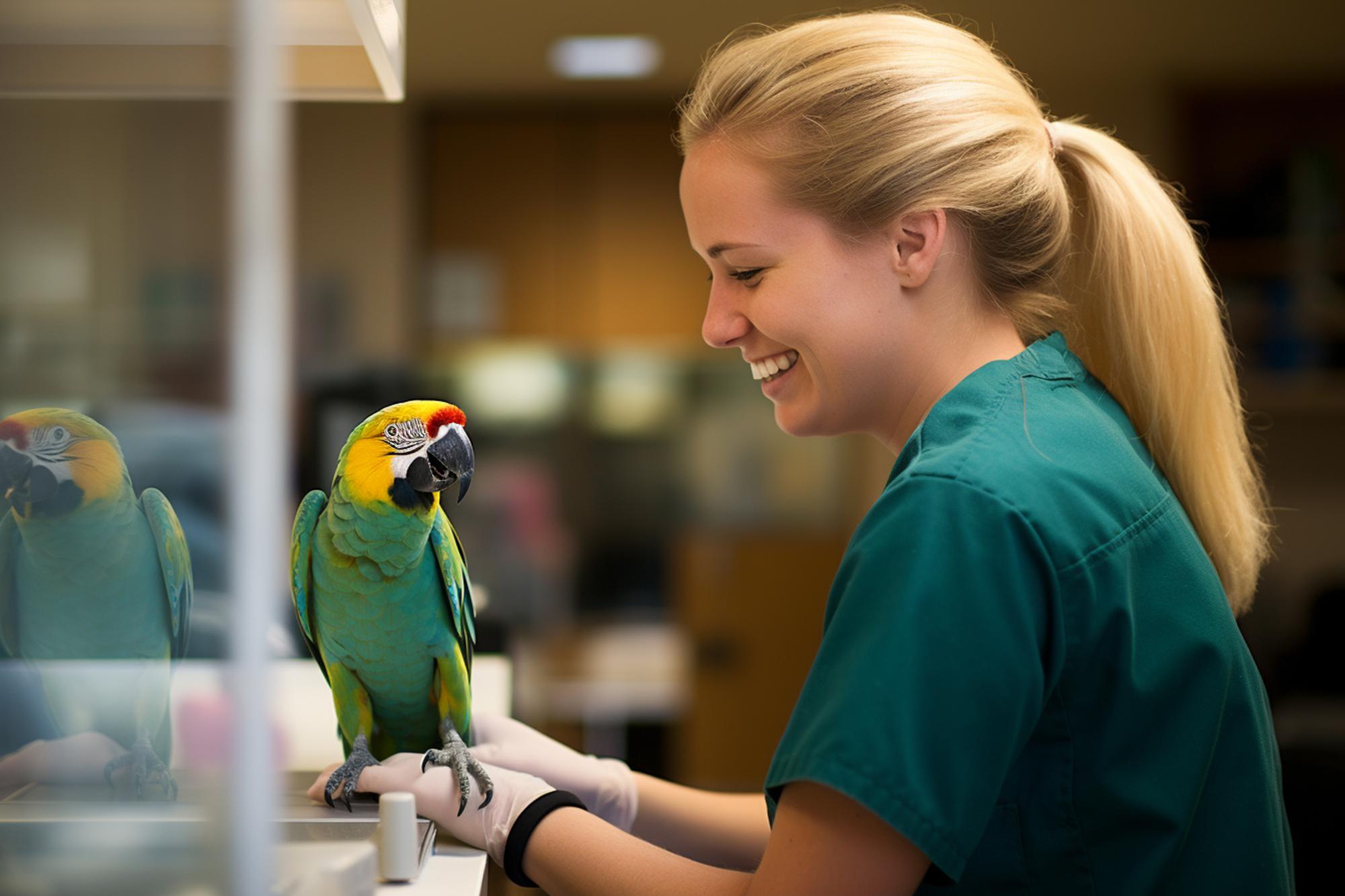
Spring Wellness Tips for Exotic Pets in Lebanon, NJ
Spring is finally here in Lebanon, NJ, and while warmer days and longer sunlight hours bring excitement for many, they also mean changes for your exotic pets. Whether you share your home with a curious parrot, a slithering snake, or a playful ferret, each species has its own needs as the seasons shift. At South Branch Veterinary Services, our team of veterinarians understands how important it is to keep your unique companion thriving all year long. In this blog, we’ll cover essential spring wellness tips for reptiles, birds, and small mammals, helping you adjust routines and spot potential issues before they become serious health concerns. From temperature fluctuations to changes in natural sunlight, spring poses both opportunities and challenges for exotic animal owners. Keep reading to learn how you can support your exotic pet’s health this season, and how our veterinary professionals at 1127 Route 31 South, Lebanon, NJ 08833 can help with everything from preventive care to advanced diagnostics.
Recognizing Springtime Health Concerns in Exotic Pets
Spring is a time of change, and your exotic pet may show subtle signs that their environment or health needs adjusting. Birds might become more vocal or display increased feather plucking, while reptiles could become less active or struggle to shed their skin. Small mammals like rabbits and guinea pigs may start to shed their winter coats, but excessive hair loss or skin irritation can signal trouble. Other warning signs to watch for in exotic pets include changes in appetite, new or unusual vocalizations, difficulty breathing, and lethargy. For reptiles, improper shedding, abnormal basking behavior, or changes in stool consistency can point to underlying problems. Birds who suddenly stop singing, develop overgrown beaks, or show changes in droppings may need a closer look. Small mammals with red, watery eyes, sneezing, or labored breathing could be experiencing seasonal allergies or respiratory infections. As you observe your exotic pet this May, pay attention to subtle shifts in behavior, appearance, or daily routines, since early recognition is key to effective intervention.
Why Spring Brings New Challenges for Exotic Species
Spring in New Jersey brings rising temperatures, increased humidity, and shifts in daylight hours. For exotic pets, these environmental changes can impact everything from metabolism to immune function. Birds, for example, are sensitive to changes in natural light, which can trigger hormonal shifts and sometimes breeding behaviors. This can lead to feather plucking or aggression if not managed carefully. Reptiles rely on temperature and light cycles to regulate their activity and digestion, so unexpected cold snaps or heat waves can stress their systems. Improper basking temperatures or humidity can cause problems such as incomplete shedding or respiratory infections. Small mammals may experience hair loss or skin irritation as they shed their winter coats; in some cases, lingering dampness from spring rains can contribute to skin infections or fungal issues.
Additionally, as windows are opened and fresh air circulates, exotic pets may be exposed to pollen, dust, and other airborne irritants. These can trigger allergies, especially in rabbits and guinea pigs, who are prone to upper respiratory problems. Spring cleaning activities may also introduce new chemicals, fragrances, or household hazards that are particularly risky for birds and small mammals with delicate respiratory systems. Understanding these seasonal risks helps you anticipate and prevent illness, keeping your exotic friend happy and healthy.
Professional Wellness Care for Exotic Pets at South Branch Veterinary Services
Professional veterinary care is essential for exotic pets, especially during transitional seasons like spring. At South Branch Veterinary Services, we offer comprehensive wellness evaluations tailored to the unique needs of birds, reptiles, and small mammals. During a spring wellness appointment, our veterinary team will assess your exotic pet’s body condition, hydration, skin and feather or scale health, and review husbandry practices. We may recommend diagnostic tests such as fecal exams or bloodwork to identify hidden health issues before they become serious.
If your exotic pet is showing signs of illness, treatment options will depend on their species and specific diagnosis. For example, birds with respiratory distress may require supportive care, antibiotics, or changes to their environment. Reptiles struggling with shedding often benefit from adjustments to humidity and temperature, along with gentle veterinary assistance to remove retained skin. Small mammals with skin infections or allergies may need topical treatments, dietary modifications, or environmental changes. Our practice is equipped with advanced diagnostic tools, a full pharmacy, and a dedicated exotic animal care team to address a wide range of medical concerns. To learn more about the preventive routines and veterinary support we offer for exotic species, explore our wellness care services for pets.
Springtime Preventive Care and Home Tips for Exotic Owners
Supporting your exotic pet’s health at home is just as important as professional care. As temperatures warm in Lebanon, NJ, review your pet’s enclosure for drafts, direct sunlight, or areas where heat and humidity may fluctuate. For reptiles, ensure basking spots reach proper temperatures for their species, and monitor humidity levels to prevent dehydration or improper shedding. Birds should have access to natural light without exposure to chilly drafts; covering cages at night and providing enrichment can help reduce stress and unwanted behaviors like feather plucking. For small mammals, regular grooming during spring shedding is vital. Brushing rabbits and guinea pigs helps remove loose fur and prevents hairballs, while also allowing you to check for skin redness or irritation.
Cleaning routines should be adjusted as well. Use unscented, pet-safe cleaners to avoid respiratory irritation, and keep enclosures free from mold, excess moisture, and accumulated waste. Watch for increased pollen or dust during open-window months, and consider using air purifiers in rooms where exotic pets are housed. Diet is another area to review as spring arrives. Foraging birds may benefit from seasonal fruits and vegetables, but always confirm which foods are safe for their species. Reptiles coming out of winter brumation may need gradual increases in feeding frequency. Always provide fresh water, and avoid sudden changes in diet or environment, as exotic pets are sensitive to even minor disruptions.
When to Schedule a Veterinary Visit for Your Exotic Pet
While many springtime changes are normal, certain signs mean you should schedule a veterinary visit without delay. If your bird, reptile, or small mammal shows persistent loss of appetite, difficulty breathing, significant changes in droppings or urine, or wounds that do not heal, contact our veterinary professionals promptly. Sudden lethargy, severe feather or fur loss, or any unusual swelling should also be addressed quickly. Exotic pets often hide signs of illness until problems are advanced, so early veterinary intervention is crucial for the best outcome.
Routine spring wellness exams are highly recommended for all exotic pets, even if they appear healthy. These visits allow our veterinarians to catch subtle issues and provide personalized advice based on your animal’s species, age, and living environment. If you’re unsure whether your exotic companion needs a checkup, our team can help you decide the best timing for preventive care. For more details about what to expect during a wellness examination, visit our wellness care services for pets.
Supporting Exotic Pet Wellness All Season Long
Spring in Lebanon, NJ, is a wonderful time to enjoy your unique animal companions, but it’s also a season that calls for attentive care and preventive measures. By watching for early signs of illness, adjusting your home routines, and partnering with experienced exotic animal veterinarians, you can help your bird, reptile, or small mammal stay happy and healthy through every seasonal change. If you have questions about your exotic pet’s health, or if you’d like to schedule a spring wellness appointment, our team at South Branch Veterinary Services is here to help. We welcome exotic animal owners from Lebanon and surrounding communities, and we’re committed to providing the highest standard of care.
To request an appointment or speak with a member of our veterinary team, call (908) 923-7833 or visit us at 1127 Route 31 South, Lebanon, NJ 08833. If you’re searching for a veterinarian near me who understands exotic pets, look no further than South Branch Veterinary Services. We look forward to supporting you and your unique companion this spring and beyond.
Disclaimer: This blog is for informational purposes only and does not replace individualized veterinary advice. If your exotic pet is experiencing urgent symptoms, please contact a veterinarian immediately.
Worried about something you read?
If any of this sounds like your pet, we're here to help.