
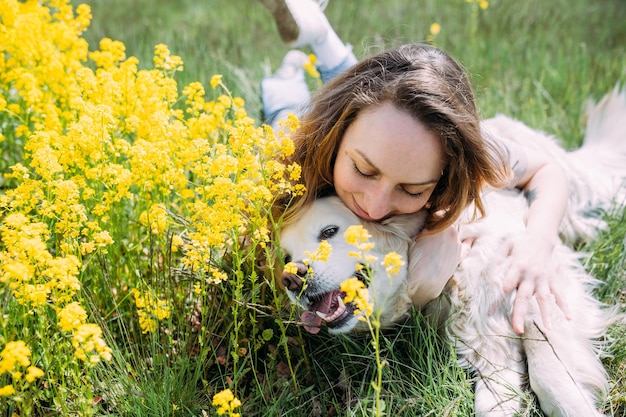
April Allergy Relief for Lebanon, NJ Pets
As spring returns to Lebanon, NJ, many pet owners notice their dogs, cats, and even exotic pets scratching more than usual. The arrival of warmer weather brings not just blooming flowers and longer days but also a surge in environmental allergens that can make pets miserable. At South Branch Veterinary Services, our veterinary professionals understand how frustrating it can be to watch your pet struggle with itchy skin, watery eyes, or constant sneezing. In this blog, we will guide you through the signs of seasonal allergies in pets, explain why these symptoms emerge in spring, and offer expert advice on providing your companion with lasting allergy relief. You will also learn when it is time to schedule a visit with our veterinary team here in 1127 Route 31 South, Lebanon, NJ 08833 for a comprehensive allergy evaluation. We serve Lebanon and the surrounding communities, offering compassionate care and modern diagnostics to help your pet enjoy a comfortable, healthy spring.
Recognizing Spring Allergies in Dogs, Cats, and Exotic Pets
Spring allergies can show up in subtle or obvious ways, making it important for pet owners to recognize the early warning signs. In dogs, symptoms often include excessive scratching, licking or chewing at the paws, red or irritated skin, frequent ear infections, and watery eyes. Cats may show similar signs such as overgrooming, hair loss, sneezing, and runny eyes. Exotic pets, including rabbits, guinea pigs, and birds, can also react to environmental allergens with symptoms like sneezing, nasal discharge, itchy skin, or feather plucking in birds.
Other indicators that allergies may be affecting your pet are inflamed ears, frequent head shaking, and the sudden appearance of hot spots or raw patches on the skin. Some pets develop respiratory symptoms, which can look like persistent coughing or difficulty breathing, especially in brachycephalic breeds or sensitive species. If your pet’s itching or discomfort seems to worsen after time outside or during high pollen days, allergies are a likely culprit.
Why Do Spring Allergies Affect Pets in Lebanon, NJ?
The seasonal cycle in Lebanon and the surrounding communities brings a dramatic increase in pollen and other environmental allergens each spring. Trees, grasses, and flowering plants all release microscopic particles into the air; these allergens settle on your pet’s fur, skin, and paws, triggering an immune response in sensitive animals.
For many pets, allergy symptoms peak in April and May, when pollen counts reach their highest levels. Other common triggers include mold spores, dust mites, and even certain insects that become more active as temperatures rise. Urban and suburban areas like Lebanon see increased landscaping and yard maintenance during this time, which can stir up additional allergens and irritants.
Exotic pets kept indoors may still be exposed to allergens brought in on clothing, shoes, or through open windows. Birds, in particular, are sensitive to airborne particles, while rabbits and rodents can react to bedding changes or fresh hay that arrives with the spring harvest. Understanding these seasonal patterns can help pet owners take proactive steps to reduce exposure and manage symptoms before they escalate.
Managing and Treating Pet Allergies: Professional Help in Lebanon
If you suspect your pet is suffering from spring allergies, the first step is a thorough evaluation by your veterinarian. At South Branch Veterinary Services, our veterinary team offers advanced allergy testing to identify the specific allergens affecting your pet. Diagnostic approaches may involve skin or blood tests, as well as a careful review of your pet’s medical history and environment. You can find more information about our allergy testing services here.
Treatment options for seasonal allergies are tailored to each pet’s needs. Common approaches include antihistamines, prescription medications to control inflammation and itching, and medicated shampoos that remove allergens from your pet’s skin and coat. For pets with recurring ear infections or hot spots, topical treatments and regular ear cleaning can provide relief. Some pets benefit from immunotherapy, which involves exposing them to small amounts of the offending allergen to build tolerance over time.
In addition to medical management, our veterinarians may recommend changes to your pet’s routine, such as more frequent baths, wiping paws after walks, or using air purifiers at home. For exotic pets, we can advise on safe bedding choices and environmental controls to minimize allergen buildup. With a comprehensive treatment plan, most pets can enjoy a comfortable and active spring.
At-Home Steps for Allergy Prevention and Relief
While professional veterinary care is essential for diagnosing and treating allergies, there are several steps pet owners can take at home to reduce symptoms and prevent flare-ups. Regular grooming is one of the most effective ways to remove pollen and dust from your pet’s coat; this is especially important for dogs and cats that spend time outdoors. Bathing your pet with a gentle, hypoallergenic shampoo can soothe irritated skin and wash away allergens.
After walks or outdoor play, wiping your pet’s paws and underbelly with a damp cloth helps prevent allergens from being tracked indoors. Washing pet bedding, blankets, and toys in hot water on a weekly basis can further reduce allergen exposure. Using air purifiers and keeping windows closed on high pollen days are helpful strategies for both pets and humans with allergies.
Diet can also play a role in supporting your pet’s skin health. Ensuring your pet receives a balanced diet rich in omega-3 fatty acids can help maintain a healthy skin barrier, making it less susceptible to irritation. Always consult your veterinarian before making any changes to your pet’s diet or supplement routine.
If you have exotic pets, make sure their enclosures are cleaned frequently and avoid introducing new bedding or hay during peak allergy seasons unless necessary. For birds, misting feathers lightly and ensuring good ventilation can help reduce dust and dander.
When Should You Call the Veterinarian for Spring Allergies?
It is natural for pets to scratch occasionally, but persistent itching, hair loss, open sores, or changes in behavior signal that your pet needs veterinary attention. If your dog or cat develops swollen or infected ears, hot spots, or shows signs of discomfort that disrupt sleep or daily activities, it is time to schedule an appointment with our veterinary professionals. Exotic pets with respiratory symptoms, loss of appetite, or changes in grooming habits also require prompt evaluation.
Allergies can sometimes mimic other health concerns, such as parasitic infections, bacterial or fungal skin conditions, or food sensitivities. Professional diagnosis is important to ensure your pet receives the most effective treatment. If your pet experiences sudden swelling, difficulty breathing, or severe distress, seek emergency veterinary care immediately. For more information about urgent pet care, visit our emergency veterinary care page.
To stay ahead of seasonal allergies, consider incorporating regular wellness visits into your pet’s routine. Preventive exams allow our veterinarians to catch early signs of allergies and recommend proactive strategies. Learn about the benefits of a wellness examination for your pet and how ongoing care can support long-term comfort.
Support for Spring Allergies in Lebanon, NJ: Your Next Steps
Spring allergies can make life uncomfortable for pets, but with the right knowledge and support, you can help your companion enjoy the season to the fullest. Recognizing the signs of allergies early, minimizing exposure to environmental triggers, and working closely with your veterinarian are key to lasting relief. Our veterinary professionals at South Branch Veterinary Services are dedicated to providing personalized, expert care for dogs, cats, and exotic animals in Lebanon and surrounding communities.
If your pet is showing signs of seasonal allergies, do not wait for symptoms to worsen. Schedule an appointment with our team for a thorough evaluation and customized treatment plan. When looking for a vet near me who truly understands local springtime pet health challenges, trust South Branch Veterinary Services to put your pet’s comfort first. You can reach us at (908) 923-7833 or visit our convenient location at 1127 Route 31 South, Lebanon, NJ 08833.
For more information about pet allergy diagnostics, visit our allergy testing services page. If you have questions about preventive care, learn more about our wellness care options. We are here to help your pet enjoy a happier, healthier spring season.
This blog is for informational purposes only and does not replace professional veterinary care. Always consult your veterinarian for medical advice specific to your pet’s needs.
Worried about something you read?
If any of this sounds like your pet, we're here to help.