Understanding ACL Repair Surgery for Dogs and Cats
When your furry family member suddenly starts limping or refuses to put weight on a hind leg, the worry can be overwhelming. As a pet owner in South Lebanon or neighboring communities, you may be searching for answers about why your dog or cat is struggling to move comfortably. One of the most common orthopedic injuries we see at South Branch Veterinary Services is a torn cranial cruciate ligament, often referred to as a torn ACL. This injury can cause significant pain and mobility problems for pets, but advanced ACL repair surgery for pets offers hope for a full and active life once again.
In this blog, our veterinary professionals will guide you through everything you need to know about ACL repair surgery for pets in South Lebanon, NJ. We’ll discuss how to recognize the signs of CCL injuries in dogs and cats, what causes these ligament tears, the treatment process, and how to support your pet’s recovery. By the end, you’ll feel informed and confident in the steps you can take to help your pet regain their mobility. If you are concerned your pet may need orthopedic care or want to learn more, our orthopedic surgery services for pets may be the right solution for your companion’s needs.
Recognizing ACL Injuries in Pets: When to Suspect a Problem
ACL injuries, technically called cranial cruciate ligament (CCL) tears in animals, can affect both dogs and cats, although they are much more common in dogs. Recognizing the warning signs early is key to minimizing your pet’s discomfort and preventing long-term joint damage.
Key symptoms of an ACL injury in pets include sudden limping that may worsen after exercise, noticeable swelling around the knee joint, reluctance to play, jump, or climb stairs, and holding one leg up when standing. Some pets may show subtle changes in behavior such as becoming less active, struggling to rise from lying down, or licking at the affected knee. In cats, these signs may be more subtle and present as decreased activity or difficulty jumping onto furniture. If you notice any of these issues, especially if your pet is unable to bear weight on a hind leg, it is time to schedule an appointment for veterinary surgery in South Lebanon, NJ.
Not every limp means an ACL tear, but these symptoms warrant a thorough evaluation. Our veterinary team at South Branch Veterinary Services uses advanced diagnostics to identify ligament injuries and rule out other conditions such as hip dysplasia or fractures. Seeking prompt care can make a significant difference in your pet’s comfort and recovery.
What Causes ACL Tears in Dogs and Cats?
ACL injuries in pets often occur due to a combination of factors, and understanding these can help pet owners take preventive measures where possible. In many dogs, the cranial cruciate ligament weakens over time, making it susceptible to tearing during regular activity or sudden movements. This degeneration is often related to genetics, age, body weight, and overall joint health.
Large breed and overweight dogs are particularly at risk, as the extra weight puts more strain on the knee ligaments. Sudden twists, slips while running, or jumping down from a height can also trigger a tear. In cats, ACL injuries are less frequent but can happen, especially in overweight or older cats who attempt high-impact jumps or land awkwardly.
Other risk factors include poor physical conditioning, underlying joint disease such as arthritis, and previous injuries to the knee. In some cases, a pet may experience a partial ligament tear that worsens over time, gradually leading to more obvious symptoms. Recognizing these risk factors and maintaining a healthy weight for your pet can lower the risk of ACL injuries, but some pets may still face this challenge even with the best preventive care.
ACL Repair Surgery for Pets in South Lebanon, NJ: What to Expect
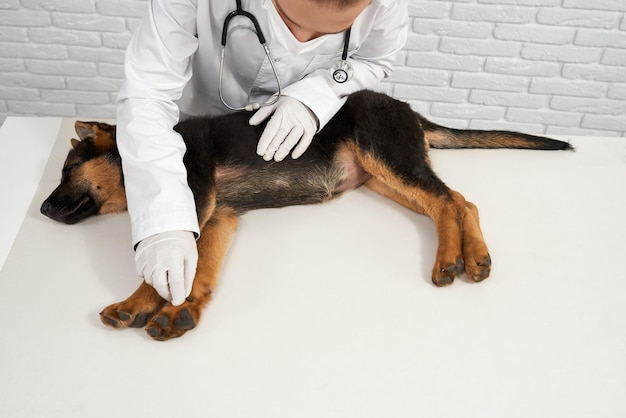
When an ACL tear is diagnosed, surgical intervention is often the most effective treatment—especially for medium and large dogs or pets with complete ligament ruptures. At South Branch Veterinary Services, we provide advanced ACL repair surgery for dogs and cats designed to stabilize the knee joint, relieve pain, and restore normal mobility.
The Surgical Process
Before surgery, your pet will undergo a thorough pre-surgical assessment, including bloodwork and imaging such as x-rays or digital radiography. This ensures your pet is a good candidate for anesthesia and helps our veterinarians plan the procedure. Our surgery suite is equipped with state-of-the-art monitoring and anesthesia equipment to prioritize your pet’s safety and comfort.
During the ACL repair procedure, our veterinary professionals may use techniques such as lateral suture stabilization or, for larger dogs, more advanced methods like TPLO (Tibial Plateau Leveling Osteotomy) or TTA (Tibial Tuberosity Advancement). The chosen method depends on your pet’s size, activity level, and overall health. The goal is always to stabilize the knee, prevent abnormal movement, and allow the joint to heal properly.
After surgery, your pet will recover in our monitoring area until they are awake and stable. Pain management is carefully tailored to each patient, and our team provides detailed home care instructions to support healing. Most pets can return home the same day or after a short hospital stay, depending on their individual needs.
Recovery and Rehabilitation
The recovery period following ACL repair surgery for pets in South Lebanon, NJ is crucial for optimal results. Pets typically need restricted activity for several weeks, with gradual reintroduction of movement as healing progresses. Controlled leash walks, physical therapy exercises, and close monitoring for any signs of discomfort or complications are all part of the recovery process. Our veterinary team will schedule follow-up visits to monitor healing and adjust the recovery plan as needed.
Supporting your pet’s rehabilitation at home involves keeping them calm, preventing jumping or running, and ensuring they take prescribed medications as directed. Over time, most pets regain full use of the affected leg and return to their favorite activities. Our compassionate approach to follow-up care ensures your pet’s recovery is as smooth and comfortable as possible.
For cases where injury involves other orthopedic concerns, our fractures & dislocations surgical services for pets and knee cap dislocation surgery information offer additional support tailored to your pet’s needs.
Supporting Your Pet at Home: Prevention and Aftercare Tips
While not all ACL injuries can be prevented, there are practical steps you can take to protect your pet’s joint health and support their recovery after surgery. Maintaining your pet at a healthy weight is one of the most effective ways to reduce strain on their knees and lower the risk of ligament injuries. Regular, low-impact exercise such as walking or gentle play helps keep muscles strong and joints flexible, while avoiding activities that involve sudden stops, sharp turns, or high-impact jumping can further reduce risk.
After ACL repair surgery, creating a safe, comfortable recovery area for your pet can make a big difference. This might mean using non-slip rugs on hard floors, setting up a crate or gated area to limit jumping, and providing orthopedic bedding for extra support. Consistent use of prescribed pain medications and anti-inflammatories, as directed by your veterinarian, will help your pet stay comfortable during recovery.
Physical therapy and rehabilitation, when recommended by your veterinary team, can improve joint function and speed healing. Gentle range-of-motion exercises and short, controlled walks under supervision are common components of a successful recovery plan.
When to Seek Professional Veterinary Surgery in South Lebanon, NJ
If your dog or cat suddenly starts limping, holds up a hind leg, or shows signs of pain around the knee, it is important not to delay seeking veterinary care. Early intervention can reduce discomfort and prevent further joint damage, leading to a better prognosis for your pet. Persistent lameness, reluctance to move, swelling around the knee, or any sudden change in your pet’s mobility should prompt a call to your veterinarian right away.
At South Branch Veterinary Services, our veterinarians are committed to providing timely, compassionate care for orthopedic injuries. We encourage you to schedule an appointment as soon as you notice concerning symptoms. Our advanced surgical services and anesthesia for pet procedures ensure your pet receives the highest level of care throughout their treatment journey.
If you are searching for a “veterinarian near me” or “vet near me” who offers advanced ACL repair surgery for pets, our animal hospital at 1127 Route 31 South, Lebanon, NJ 08833 is here for you and your companion.
Your Local Partner for ACL Repair Surgery for Pets in South Lebanon, NJ
An ACL injury does not have to mean the end of an active, joyful life for your pet. With prompt diagnosis, advanced veterinary surgery in South Lebanon, NJ, and a dedicated recovery plan, most dogs and cats can return to their favorite activities. At South Branch Veterinary Services, our veterinary professionals take pride in supporting pet owners through every step of the process, from the first signs of injury to full recovery.
We invite you to reach out and schedule an appointment if you have any concerns about your pet’s mobility or suspect an ACL injury. Our animal hospital is equipped to provide ACL repair surgery for pets in South Lebanon, NJ, as well as comprehensive follow-up care. We are committed to serving the pets of Lebanon and surrounding communities with compassion and expertise.
If you are looking for the “best vet team near me” who understands both the science and the heart of veterinary medicine, our team is ready to help. You can learn more about our ACL repair surgery for dogs and cats or call us at (908) 923-7833 to schedule a consultation. Together, we will help your pet get back on their feet and enjoy life to the fullest.
Disclaimer: The information provided in this blog is for educational purposes only and should not replace professional veterinary care. If your pet is experiencing lameness, pain, or any distress, please contact your veterinarian for an accurate diagnosis and tailored treatment plan. For more information on ACL repair surgery for pets in South Lebanon, NJ, or to book an appointment, reach out to our veterinary professionals today.
Worried about something you read?
If any of this sounds like your pet, we're here to help.