
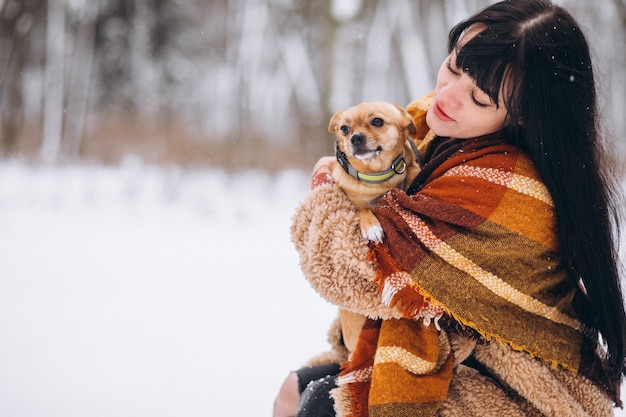
Cold Weather Pet Safety Tips for New Jersey Families
As the crisp November air settles in across New Jersey, many pet owners begin to wonder how best to keep their beloved dogs, cats, and exotic animals safe through the colder months. With temperatures dropping and unpredictable weather patterns ahead, it is important to prepare for the unique challenges that winter brings. At South Branch Veterinary Services, located at 1127 Route 31 South, Lebanon, NJ 08833, our veterinary team is committed to helping families in Lebanon and surrounding communities safeguard their pets’ health and comfort all season long.
In this guide, you will discover essential cold weather pet safety tips, learn how to recognize winter health risks, and find practical advice tailored to the needs of New Jersey’s pets. Whether you are heading out for a walk on a frosty morning or ensuring your exotic companion’s enclosure stays warm, we will cover the best practices for winter pet care in New Jersey. You will also find guidance on when to schedule a wellness examination for your pet and how to connect with a “vet near me” for ongoing support. If you are interested in learning more about routine preventive care to keep your pet healthy year-round, our wellness care and preventive health services provide expert support throughout every season.
Recognizing Cold Weather Risks for Pets
Understanding how cold weather affects pets is the first step toward effective winter care. While some breeds—such as Huskies or Maine Coons—may appear comfortable in chilly temperatures, most companion animals are susceptible to the dangers of cold exposure. Dogs, cats, rabbits, reptiles, and birds all experience the impact of winter differently, and it is crucial to recognize the signs that your pet may be struggling.
Key symptoms that your pet may be too cold include shivering, lethargy, whining, or seeking out warm spaces. You may also notice that your pet is reluctant to go outside or seems to limp after a walk, which could indicate cold-related discomfort or even injury from ice and salt. For exotic pets, such as reptiles or small mammals, warning signs of dangerous temperature drops include decreased activity, changes in appetite, or difficulty moving. If your pet’s ears, tail, or paws feel very cold to the touch, this could signal the first stages of frostbite, especially in more vulnerable animals.
Other signs to watch for are rapid breathing, anxiety, or persistent attempts to hide. These behaviors are often overlooked but can be early indicators of hypothermia or environmental stress. Paying close attention to your pet’s body language and routine habits during winter can help you intervene before small issues become emergencies. Remember that pets with short coats, seniors, young animals, and those with chronic illnesses are typically at higher risk and need extra attention.
What Causes Cold Weather Hazards for Pets?
Cold weather pet safety in New Jersey is influenced by several factors unique to our region. The combination of freezing temperatures, wind chill, snow, and sleet can make even brief outdoor excursions dangerous for some pets. Local streets and sidewalks frequently accumulate rock salt, deicers, and chemical treatments that can irritate paws or be toxic if licked. Additionally, the temptation for pets to seek warmth under vehicles or near heating units can create unexpected risks.
For indoor pets, cold drafts, poorly insulated rooms, or malfunctioning heating systems may lower the ambient temperature more than you realize. Exotic pets are especially sensitive to subtle changes in their environment; reptiles, birds, and small mammals often require supplemental heat sources and careful monitoring of humidity to stay healthy during winter.
Winter pet care in New Jersey also means being aware of seasonal hazards related to holiday celebrations. Decorations, electrical cords, and festive foods can all pose accidental dangers, while reduced daylight hours may affect your pet’s behavior and activity levels. Understanding these risks helps you create a safer, more comfortable home for your pets throughout the colder months.
Veterinary Support for Cold Weather Pet Safety
The professional services available at South Branch Veterinary Services are designed to help you address winter health concerns before they become serious problems. Scheduling a wellness examination in Lebanon is one of the best ways to ensure your pet is ready for the changing season. During a routine exam, our veterinarians will assess your pet’s overall health, check for underlying conditions that may be aggravated by cold weather, and provide individualized recommendations for winter pet care in New Jersey.
Treatment options for cold weather-related concerns often involve supportive care and environmental adjustments. For example, pets showing early signs of frostbite or hypothermia may require careful rewarming, intravenous fluids, or wound management. Our veterinary team can also evaluate conditions such as arthritis, which commonly worsens in colder weather, and recommend pain management strategies or therapeutic laser treatments as appropriate.
If you suspect your pet has ingested harmful substances like antifreeze or deicing chemicals, immediate veterinary attention is essential. Our diagnostic capabilities, including x-ray imaging and laboratory testing, enable us to quickly identify internal issues and create a treatment plan. To further support your pet’s health, consider utilizing our pet diagnostic laboratory services for comprehensive checks, especially if your pet has a chronic health condition that may be influenced by winter weather.
For pets with ongoing allergies that flare up during colder months, our veterinarians can perform allergy testing to pinpoint environmental triggers and develop a management plan. This is particularly important in New Jersey, where indoor allergens and dry air can worsen symptoms in susceptible animals.
Home Care and Prevention Tips for Winter Pet Health
While professional veterinary care is essential for addressing medical concerns, there are many steps you can take at home to improve your pet’s comfort and safety during winter. Providing a warm, draft-free sleeping area with cozy bedding helps pets maintain body heat. For dogs and cats, adjusting outdoor time to the warmest parts of the day and shortening walks during extremely cold weather can reduce the risk of hypothermia and frostbite.
When venturing outside, consider using pet-safe booties to protect paws from ice, salt, and cold surfaces. Wipe your pet’s feet and underside after every walk to remove any chemicals or moisture that could cause skin irritation. For pets with short coats or low body fat, pet sweaters and jackets can offer extra insulation. Always supervise your pet around open flames, heaters, or electrical blankets to prevent accidental burns or injuries.
For exotic pets, monitor temperature and humidity in enclosures daily, and provide heating pads or lamps as recommended by your veterinarian. Avoid placing cages or tanks near windows or exterior walls, which can become very cold in winter. If you have questions about the best ways to keep your exotic pet warm and healthy, our veterinary team is available to guide you with species-specific advice.
Maintaining regular exercise and mental stimulation is also important, even if outdoor activities become limited. Indoor play sessions, puzzle feeders, and new toys can help your pet stay active and engaged, reducing stress and boredom as the days grow shorter.
When to Seek Veterinary Care for Cold Weather Concerns
Knowing when to seek veterinary care is vital for cold weather pet safety, especially in unpredictable New Jersey winters. If your pet is experiencing persistent shivering, weakness, confusion, or difficulty breathing, these are signs of hypothermia that require prompt attention. Pale or blue-tinged skin, especially on the ears, paws, or tail, may indicate frostbite and should be evaluated by a veterinarian as soon as possible.
Other situations that warrant a veterinary visit include limping, swelling, or bleeding from paws after exposure to snow or ice, as well as signs of poisoning—such as vomiting, drooling, or seizures—following contact with deicers or antifreeze. If your pet has a chronic condition like arthritis, watch for increased stiffness or pain, which often signals the need for an adjustment in their treatment plan.
To support pet owners in Lebanon and surrounding communities, our veterinary professionals recommend scheduling a wellness examination if you notice any changes in your pet’s behavior or health during winter. This proactive approach helps catch seasonal issues early and ensures your pet receives the care they need. For pets with allergies or suspected sensitivities, allergy testing for pets can provide valuable insights into winter triggers and help prevent more serious complications.
If you ever feel unsure about your pet’s symptoms or need advice on winter pet care in New Jersey, reaching out to a quality vet near me can provide peace of mind and timely support.
Keeping Your Pet Safe: Take Action for a Healthy Winter
As winter approaches, being proactive about cold weather pet safety is the best way to protect your companion’s wellbeing. By understanding the risks, recognizing warning signs, and taking preventive measures at home, you can minimize the impact of New Jersey’s chilly climate on your pets. Remember that every animal is unique, and the safest approach is to consult with a veterinary professional who knows your pet’s medical history and specific needs.
At South Branch Veterinary Services, our veterinarians are dedicated to helping you navigate the challenges of winter pet care in Lebanon and surrounding communities. If you are ready to schedule a wellness check, discuss cold weather concerns, or update your pet’s care plan, we invite you to contact our veterinary team at (908) 923-7833 or visit us at 1127 Route 31 South, Lebanon, NJ 08833. For trusted advice from a “vet near me” and expert veterinary services in Lebanon, our doors are always open to support you and your pets.
For ongoing preventive care and seasonal guidance, learn more about our wellness care and preventive health services or reach out with any questions. Your pet’s comfort and safety are our highest priorities, and our veterinary team is here to help your family enjoy a healthy, happy winter together.
Disclaimer: This article is intended for informational purposes only and should not be used as a substitute for professional veterinary advice. Always consult with your veterinarian for specific recommendations regarding your pet’s health and safety.
Worried about something you read?
If any of this sounds like your pet, we're here to help.